You've tried stretching, foam rolling, even physical therapy. But the pain keeps coming back. The missing piece isn't more exercise — it's the right exercise.
If you regularly exercise but your knee pain, back pain, or shoulder pain keeps returning, you're not alone.
Many people try stretching more, foam rolling more, and adding additional workouts in an effort to fix the problem. Yet the pain keeps coming back.
After more than three decades working as a strength and conditioning coach, I've seen this pattern repeatedly. The problem usually isn't that someone needs more exercise. The problem is that they need the right exercise for their specific movement patterns.
Most recurring joint pain during exercise comes from unidentified movement dysfunction, not from a lack of effort or discipline.
The real reason exercise pain keeps returning
When knee, back, or shoulder pain keeps returning despite training, the painful area is often not the true source of the problem.
In strength and conditioning, we look at the body as a kinetic chain. This means joints and muscles work together during movement.
If one part of the chain is restricted or weak, another part is forced to compensate.
Examples I commonly see include:
- Limited hip mobility causing knee pain during squats or running
- Poor core stability contributing to chronic low back pain
- Weak scapular control leading to shoulder pain during pressing exercises
Over time, repeated compensation creates stress on tissues that were not designed to absorb those forces. Eventually, pain develops.
Research in sports science confirms that movement dysfunction and muscular imbalance significantly increase injury risk in active individuals.1
Why stretching and foam rolling often don't fix the problem
Stretching and foam rolling can help reduce muscle tension temporarily. However, these methods often fail to address the underlying movement issue.
For example:
- Stretching the lower back does little if the real problem is tight hips
- Strengthening the knee alone won't fix instability caused by weak glutes
- Treating shoulder pain locally may fail if the issue is poor scapular mechanics
This is why symptoms often return after temporary relief. The body continues to move the same way, so the same stress patterns remain.
The importance of a movement evaluation
Before designing any training program, one of the most important steps is performing a movement evaluation.
A movement evaluation analyzes how the body moves during fundamental patterns such as:
- Squatting
- Hinging
- Lunging
- Pushing
- Pulling
- Rotational movement
The goal is to identify:
- Mobility restrictions
- Muscular imbalances
- Poor stabilization patterns
- Inefficient movement mechanics
Instead of guessing which exercises might help, this process allows training to be designed around the individual's specific needs.
Research on movement screening shows that identifying dysfunctional movement patterns can help reduce injury risk and improve training outcomes.2
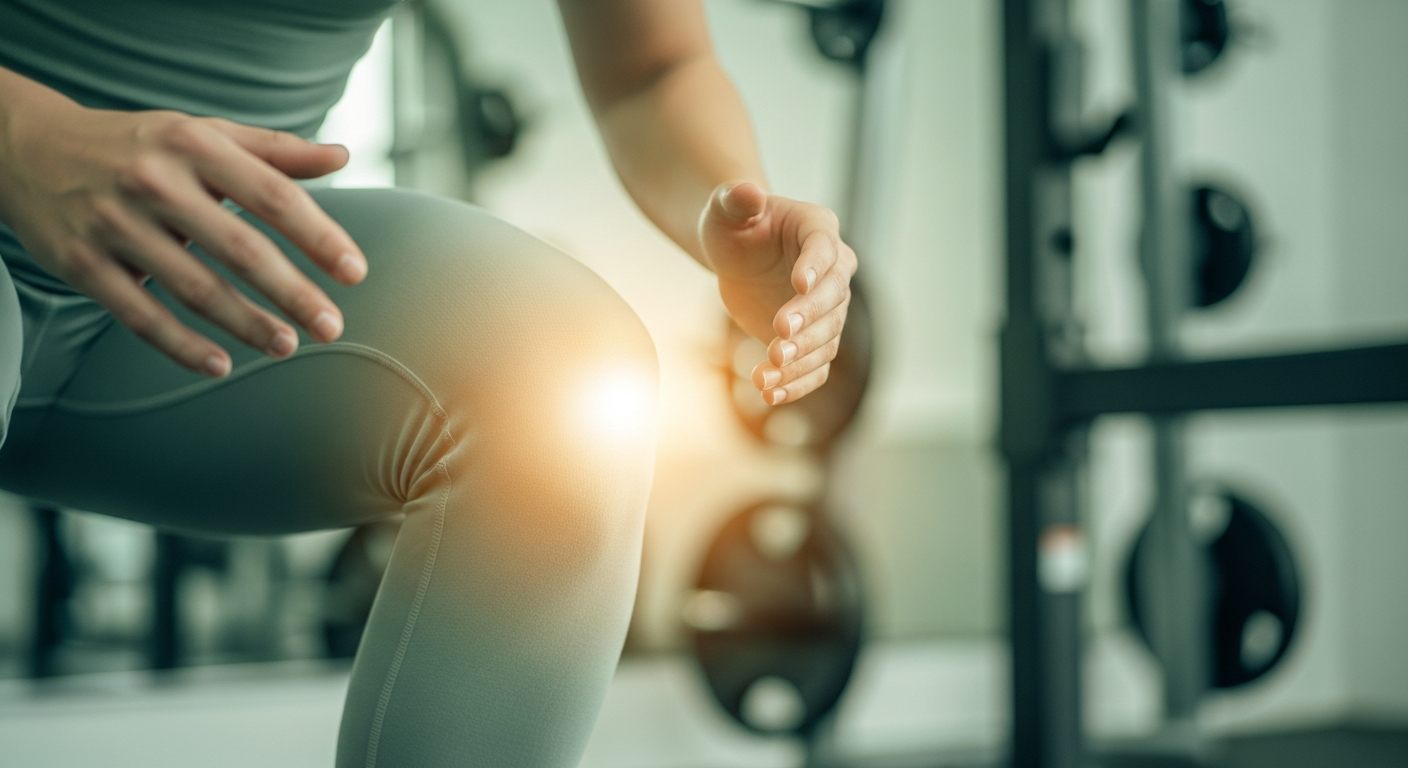
Example: Why knee pain happens during exercise
Knee pain during exercise is often blamed on the knee joint itself. However, in many cases the knee is simply reacting to problems above or below it.
Common contributors include:
- Weak glutes
- Limited ankle mobility
- Poor hip control
- Improper squat mechanics
When the hips or ankles fail to absorb force properly, the knee takes on excessive stress.
Once hip stability and ankle mobility are improved, knee pain frequently disappears.
The knee wasn't the original problem — it was compensating for dysfunction elsewhere in the movement chain.
Why chronic back pain persists in active people
Low back pain is another issue frequently seen among people who exercise regularly.
Many clients have already tried:
- Back stretches
- Massage therapy
- Core workouts
- Foam rolling
Yet the pain continues.
Often the underlying problem involves:
- Poor hip mobility
- Weak glute activation
- Insufficient core stabilization
- Improper lifting mechanics
Correcting these factors dramatically reduces spinal stress.
Evidence-based rehabilitation models show that improving core stability and hip function significantly reduces chronic low back pain in active individuals.3
Shoulder pain during workouts is often a scapular issue
The shoulder joint relies heavily on the scapula (shoulder blade) for proper function.
If the scapula does not move correctly, the shoulder joint experiences abnormal loading during pressing, pulling, or overhead movements.
Common contributors include:
- Weak upper back muscles
- Limited thoracic spine mobility
- Poor posture
- Improper training technique
When these issues are corrected, shoulder pain during workouts often resolves quickly.
Sports medicine research shows that scapular dysfunction is a major factor in many shoulder injuries.4
Why the right exercise matters more than more exercise
A common mistake people make is believing that doing more exercise will fix pain.
Increasing training volume on top of dysfunctional movement patterns often makes the situation worse.
Effective strength training focuses on:
- Restoring mobility
- Improving stability
- Correcting movement patterns
- Building strength progressively
Once the body moves efficiently, strength training becomes both safer and more productive.
Research consistently shows that muscular strength is one of the strongest predictors of injury resilience, functional capacity, and long-term health.5
When recurring pain signals a deeper problem
If your knee, back, or shoulder pain keeps returning despite exercise, the issue may not be the amount of training you're doing.
It may be that your body has developed compensation patterns that haven't been identified yet.
A professional movement evaluation can help identify:
- Mobility limitations
- Muscular imbalances
- Inefficient movement patterns
- Training errors
Once these factors are corrected, strength training can work the way it's supposed to — learn more about why exercise alone doesn't fix pain — helping you build strength, resilience, and long-term performance.
References
- Suchomel TJ, Nimphius S, Stone MH. The importance of muscular strength in athletic performance. Sports Medicine. 2016.
- Cook G, Burton L, Hoogenboom B. Pre-participation screening: The use of fundamental movements as an assessment of function. North American Journal of Sports Physical Therapy.
- McGill SM. Low Back Disorders: Evidence-Based Prevention and Rehabilitation. Human Kinetics.
- Kibler WB, Sciascia A. Current concepts: scapular dyskinesis. British Journal of Sports Medicine.
- Kraemer WJ, Ratamess NA. Fundamentals of resistance training. Medicine & Science in Sports & Exercise.
Ready to train smarter?
Whether you're dealing with pain, chasing performance, or building strength for the long game — Joe designs programs specifically for your body and your goals.
Book a strategy sessionLearn about coaching from anywhere in the world with an experienced, certified strength and conditioning coach.