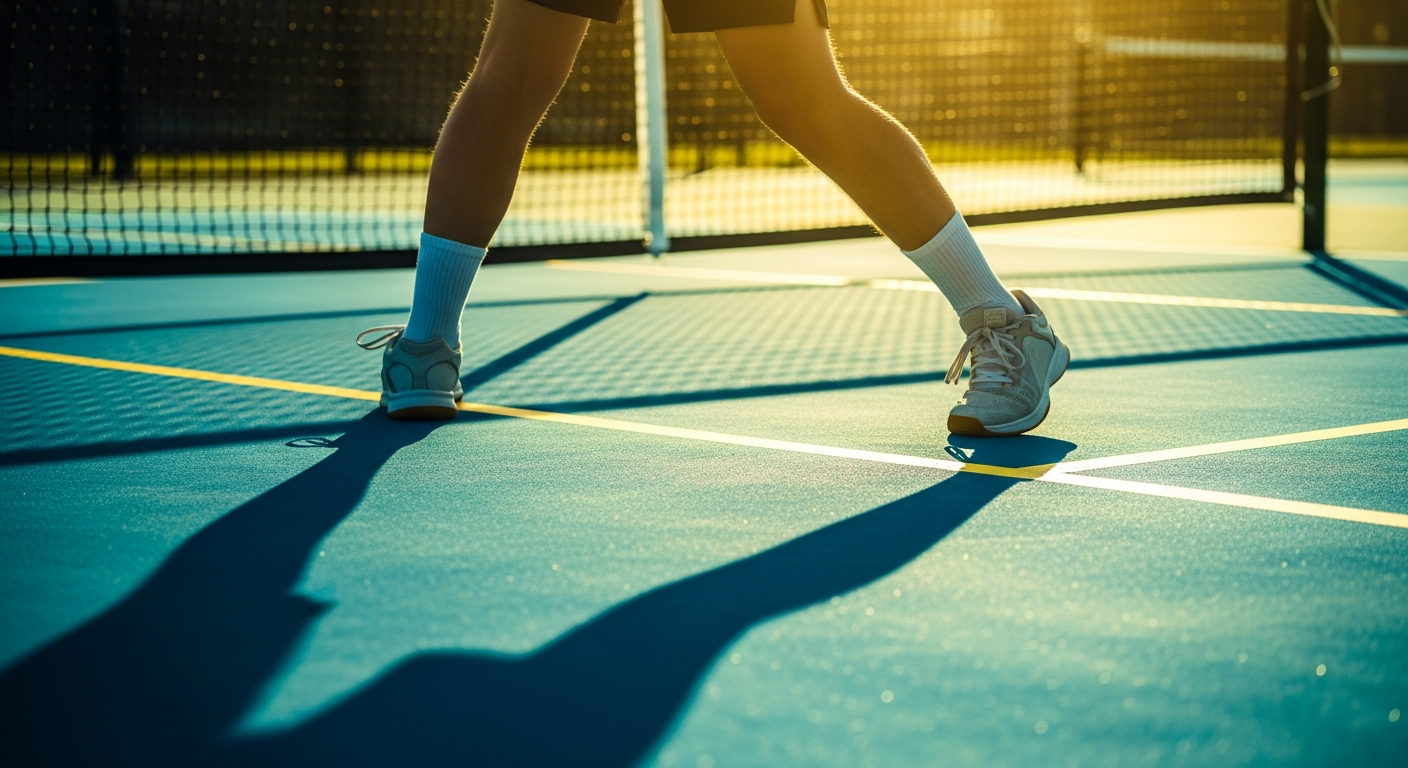
Pickleball is the fastest-growing sport in America — and so are the injuries that come with it. The solution isn't playing less. It's training smarter.
Quick answer: Pickleball exposes weak links
Pickleball pain usually isn't from "playing too much." It's from playing with insufficient strength capacity in the hips and legs, plus repeated deceleration and lateral movement under fatigue.
Why knee and hip pain cluster together
The knee and hip share the same job: manage force during cutting, reaching, and recovery steps. If hips can't stabilize the femur, knees often absorb stress; if hips can't tolerate load, tendons and joint surfaces get irritated over time.
What the injury data shows
Multiple epidemiology studies show pickleball injuries have increased substantially with participation. Older adults are frequently represented, and injury mechanisms commonly include events such as falls and patterns affecting extremities.1,2
The prevention strategy: Capacity + control
- Capacity: strength to tolerate repeated match demands
- Control: single-leg stability and deceleration mechanics
- Progression: gradual load increases so tissues adapt
What "pickleball strength training" should actually include
- Hinge pattern: RDL / deadlift variation (glutes + hamstrings)
- Squat pattern: squat or split squat (quads + hip control)
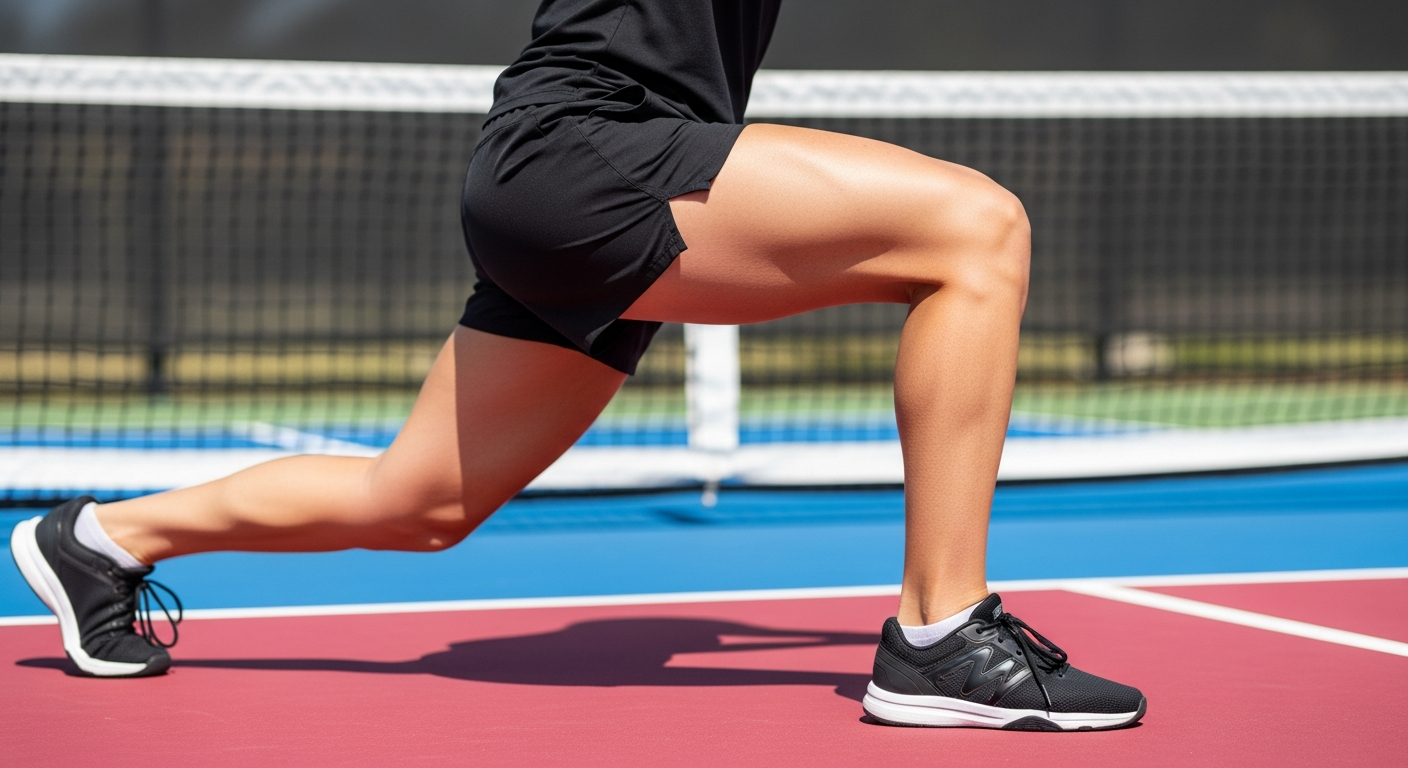
- Lateral pattern: lateral lunge / side step-down
- Deceleration: controlled step-downs, landing mechanics
- Trunk stability: carries, anti-rotation presses
Bottom line
The solution isn't playing less—it's training smarter. Build hip and leg strength, train deceleration and single-leg control — see our guide on strength training after 50, and the knees and hips usually stop being the weak link. Book a strategy session to build your plan.
References
- McMillan P, et al. The Epidemiology of Pickleball Injuries Presenting to US Emergency Departments. 2025. (PMC)
- Yu J, et al. Increasing Incidence of Pickleball Injuries Presenting to Emergency Care. 2025. (PMC)
- Fragala MS, et al. NSCA Position Statement: Resistance Training for Older Adults. 2019. (NSCA PDF)
Ready to train smarter?
Whether you're dealing with pain, chasing performance, or building strength for the long game — Joe designs programs specifically for your body and your goals.
Book a strategy sessionLearn about coaching from anywhere in the world with an experienced, certified strength and conditioning coach.